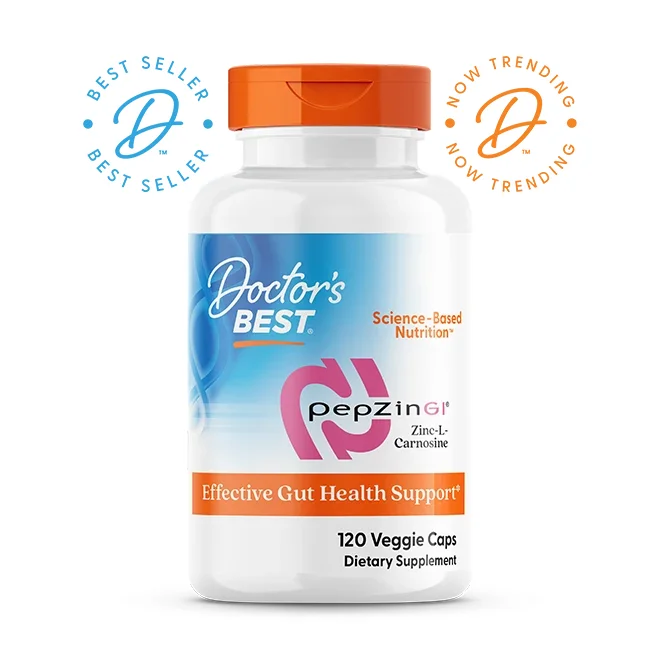
Gut healthDoctor's Best
Zinc carnosine
PepZin GI - 120 veg. capsules
120 caps, best before Aug 2028
£26.33
311 products
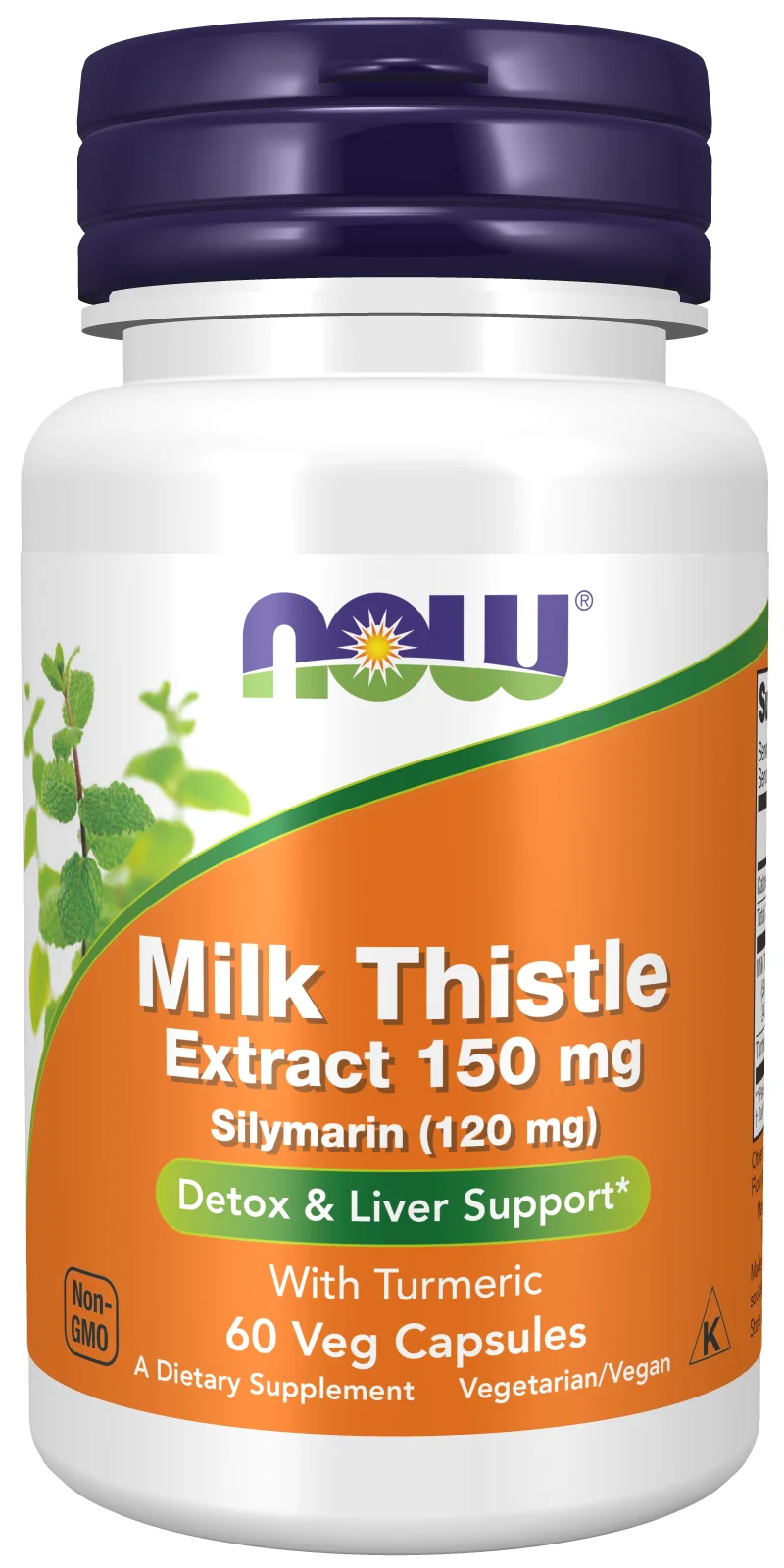
Digestive supplements: multi-strain probiotics, digestive enzymes, fibre such as inulin and psyllium husk, plus milk thistle and activated charcoal – from NOW Foods, Enzymedica and Garden of Life.
Learn more311 products
PepZin GI - 120 veg. capsules
120 caps, best before Aug 2028
£26.33
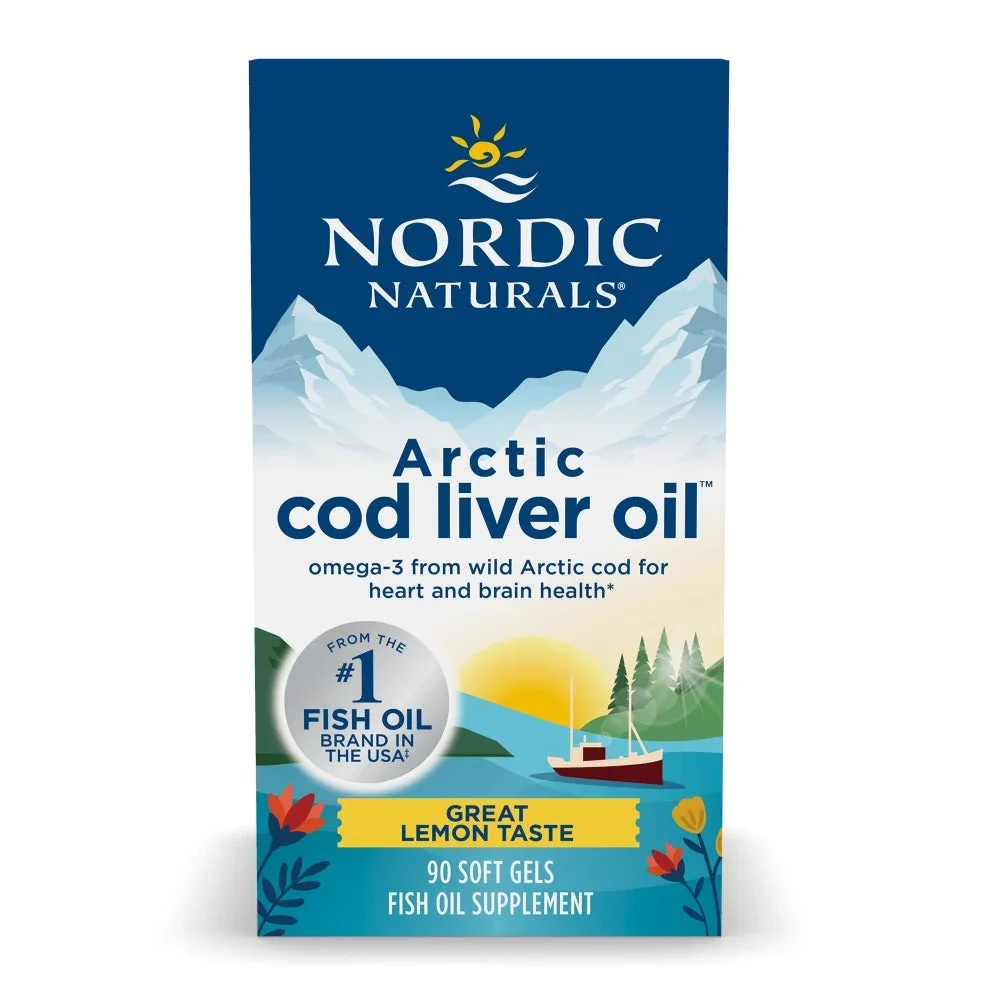
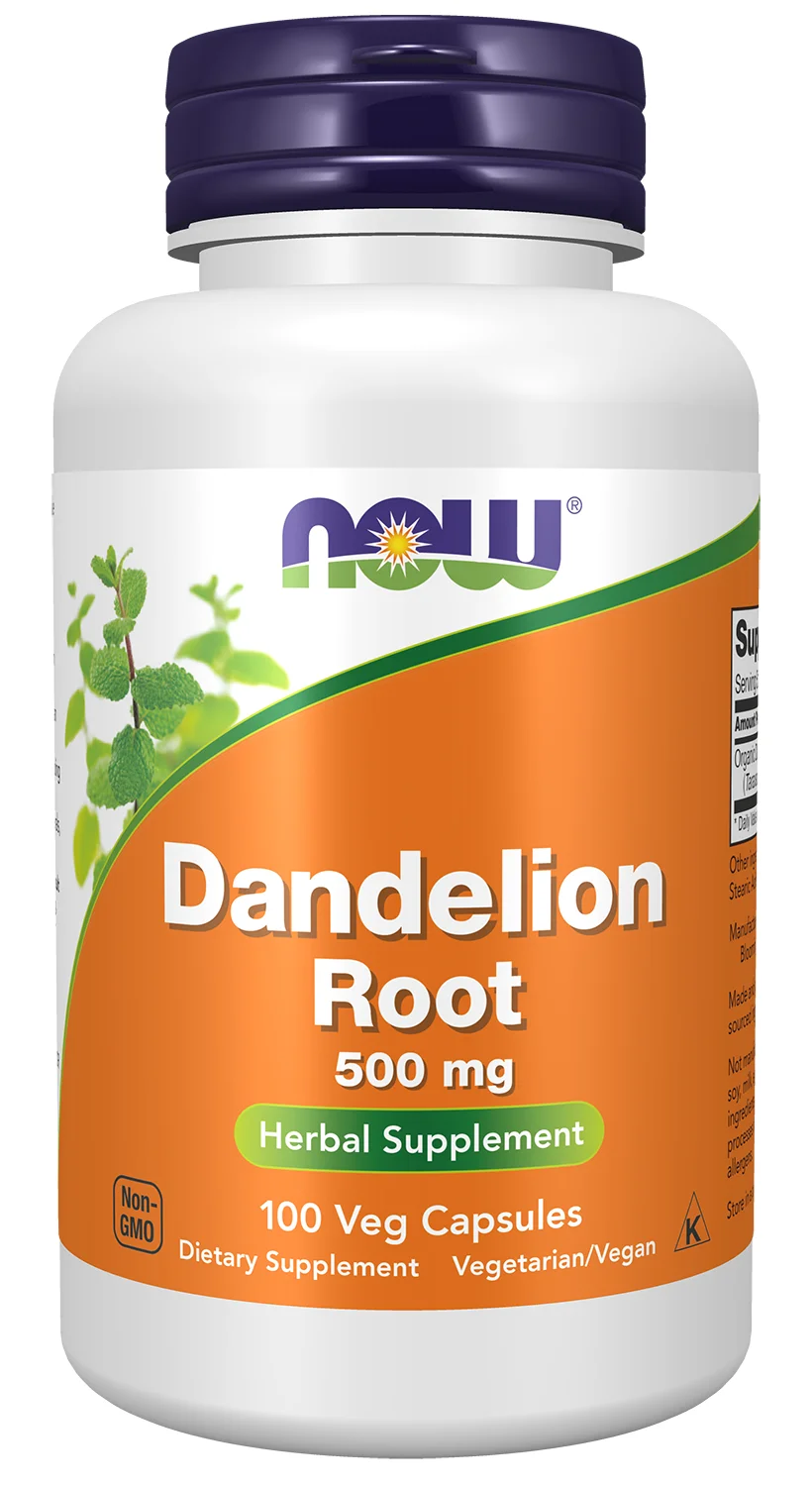
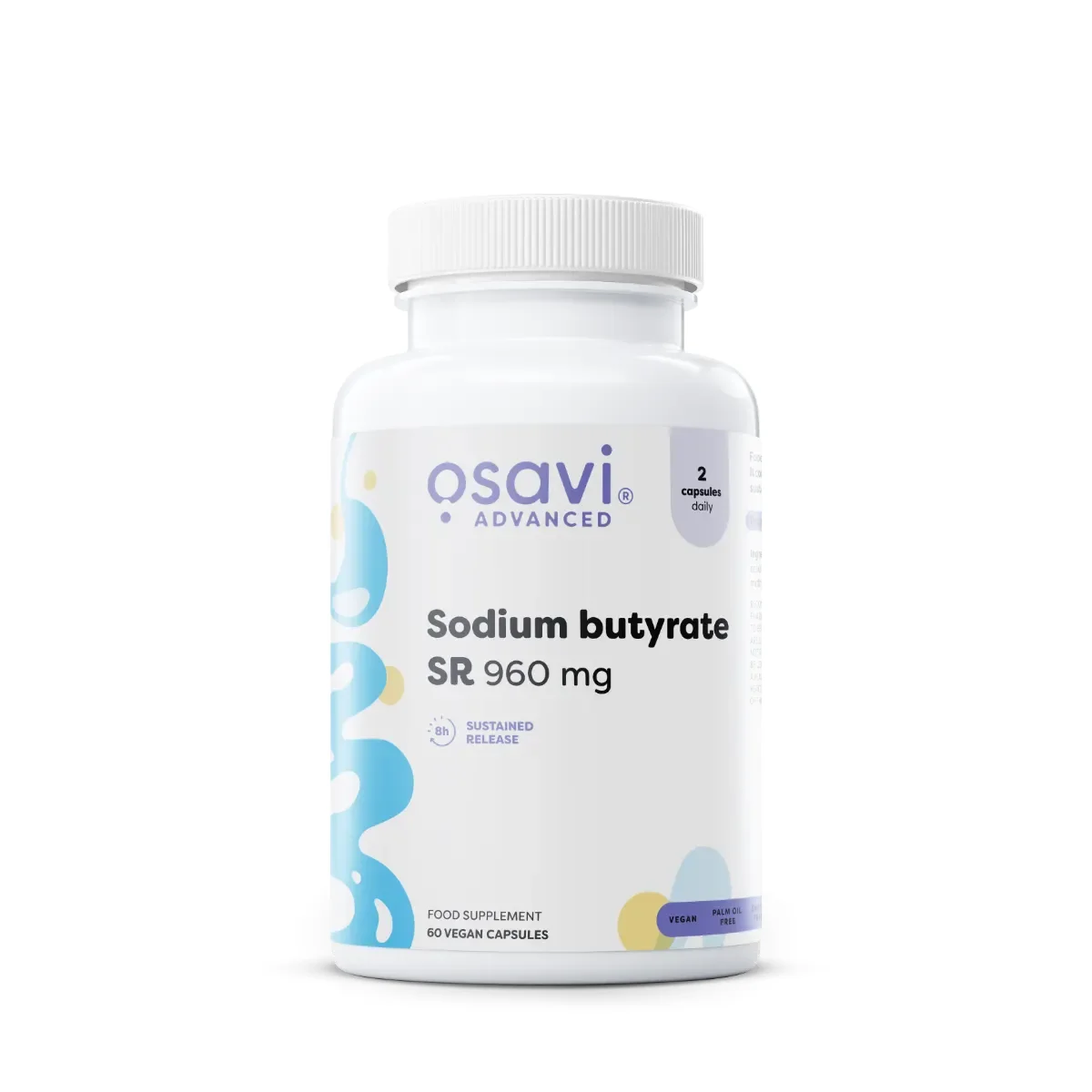
60 caps, best before Jun 2028
£10.52
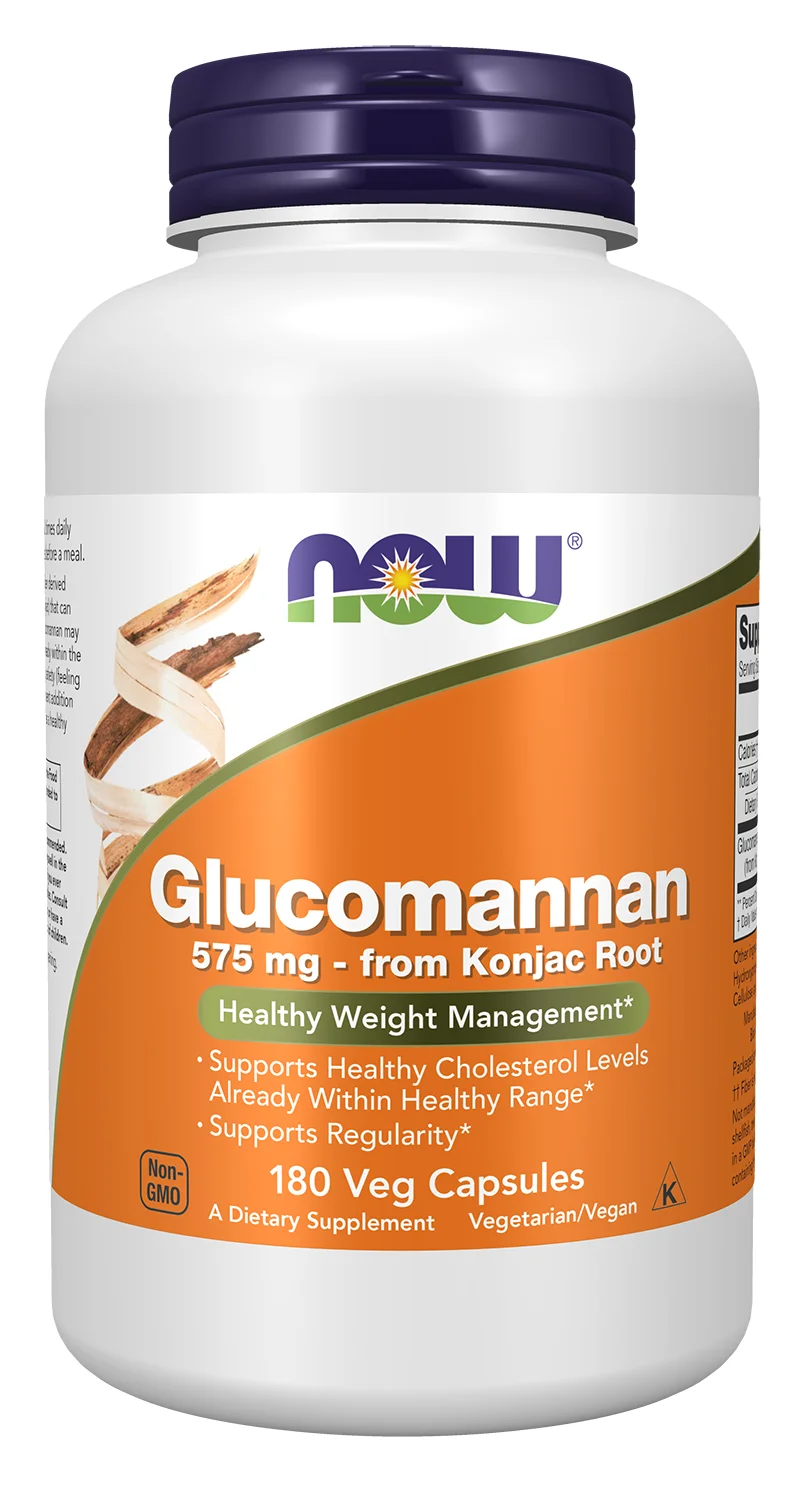
180 caps, best before Apr 2030
£14.82
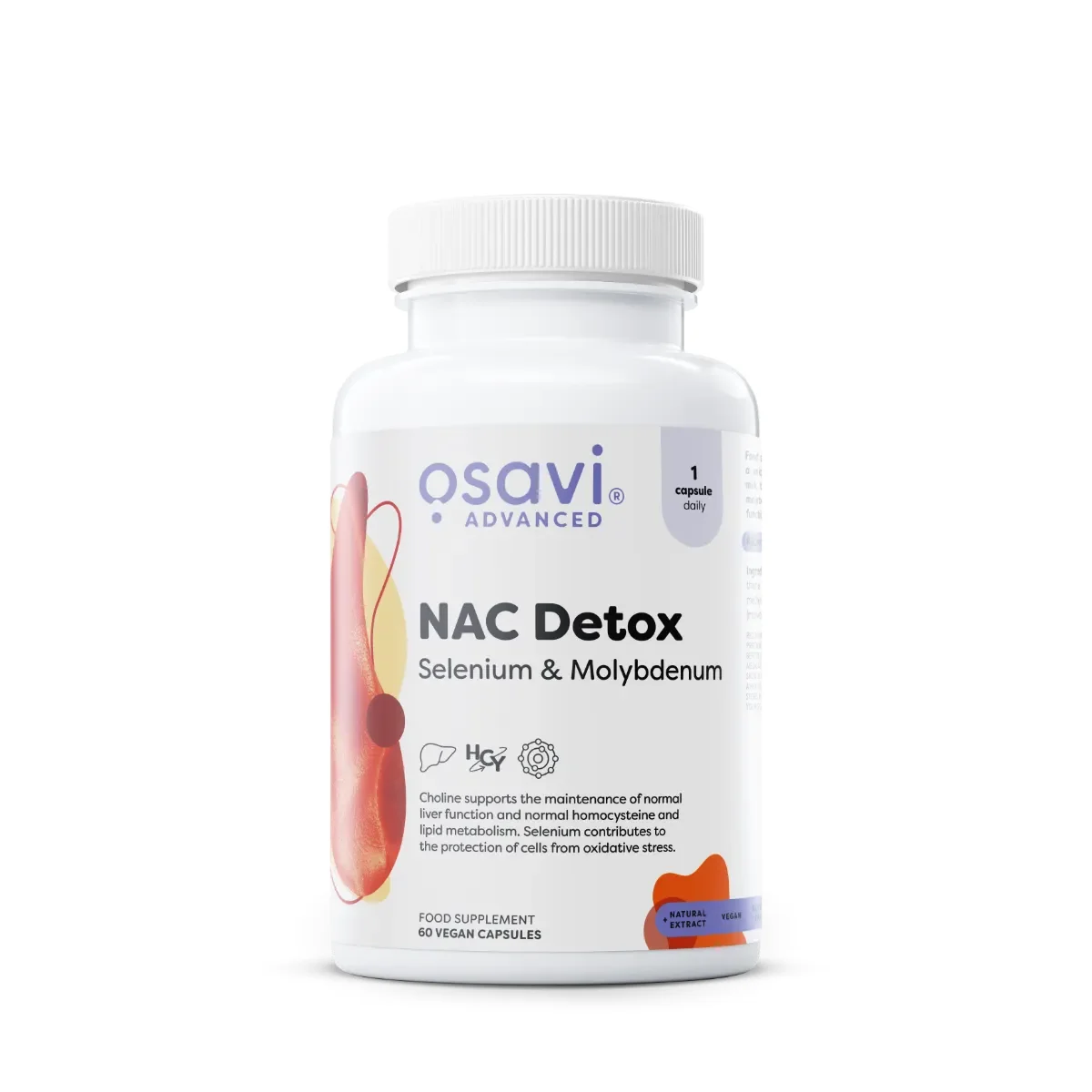
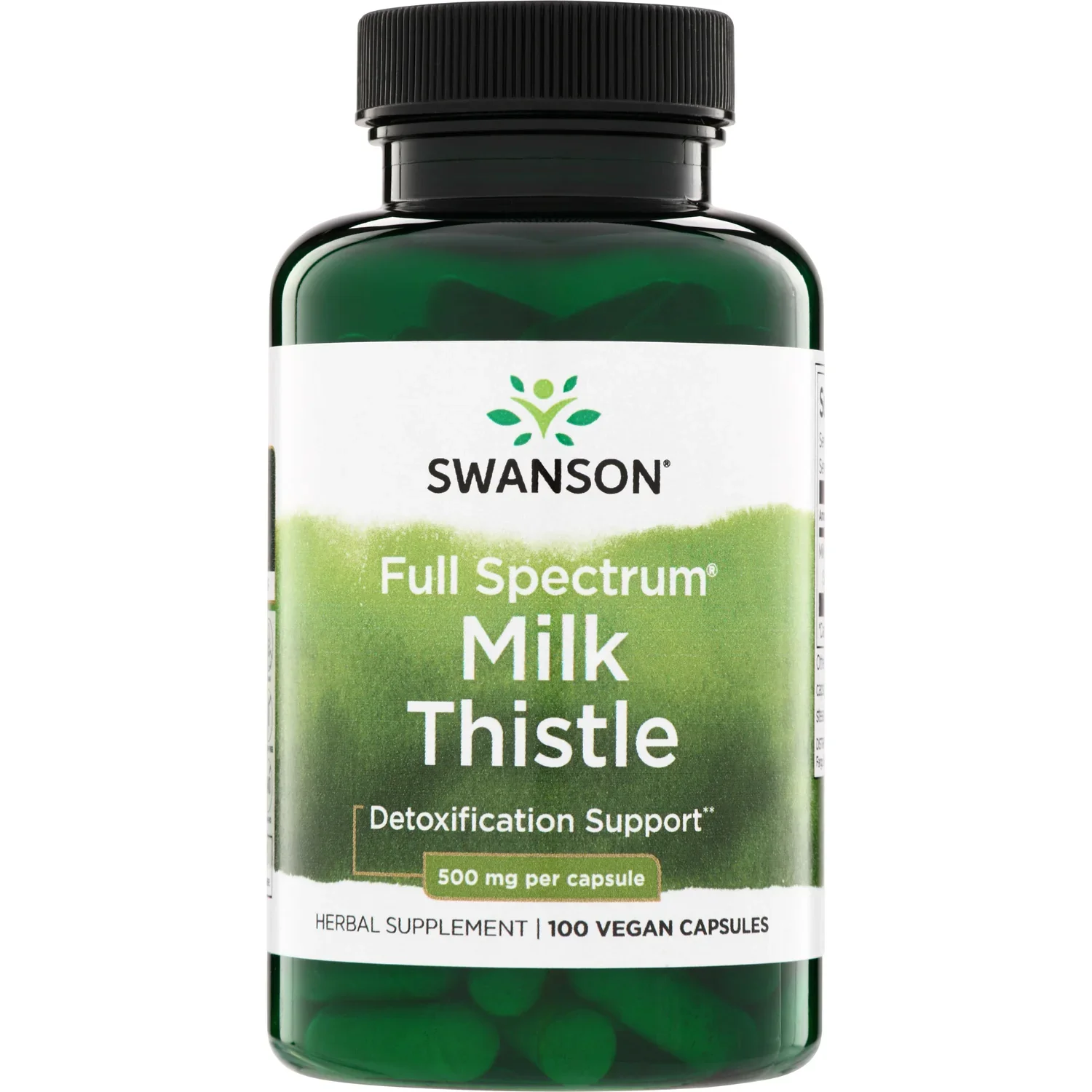
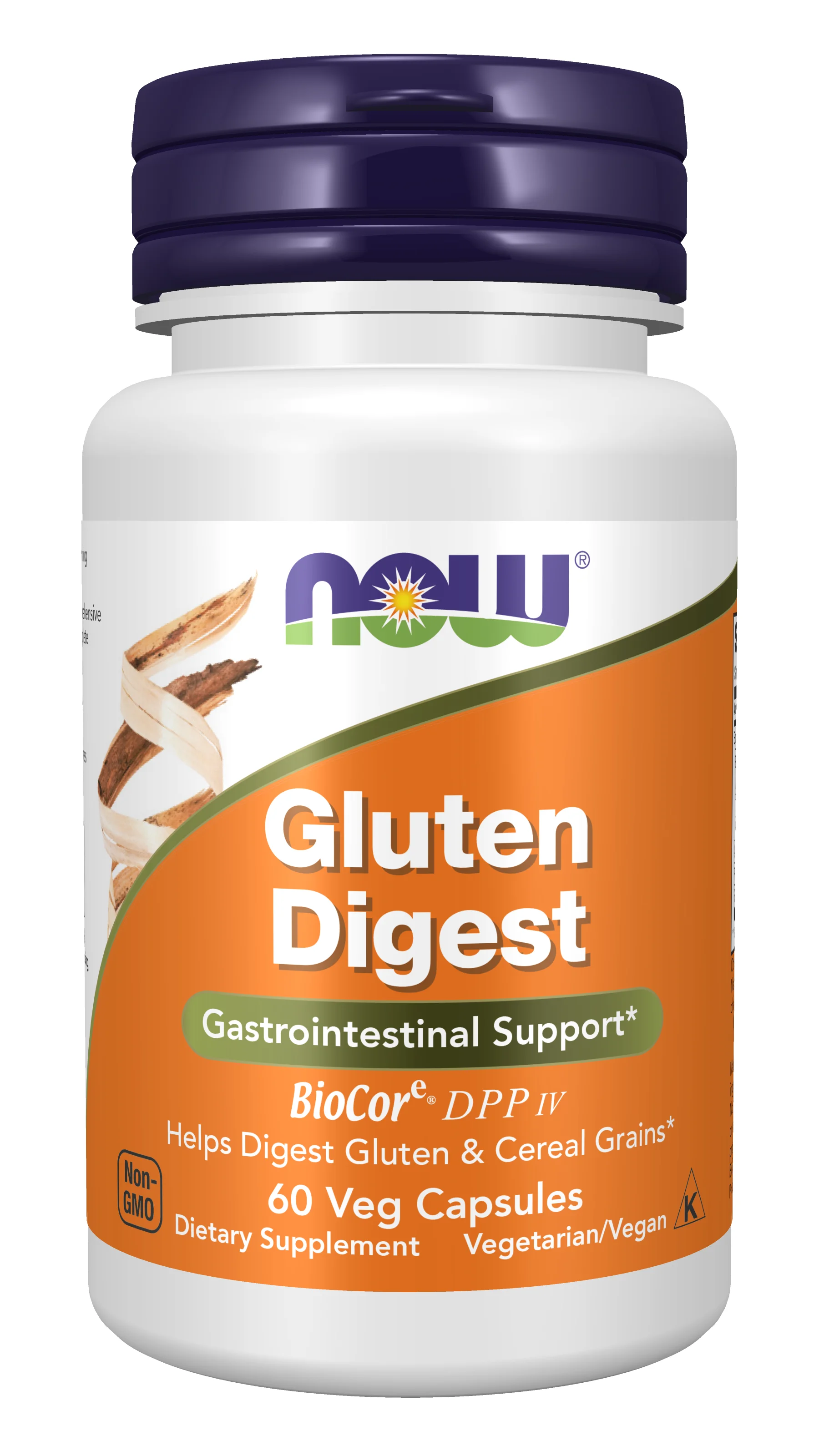
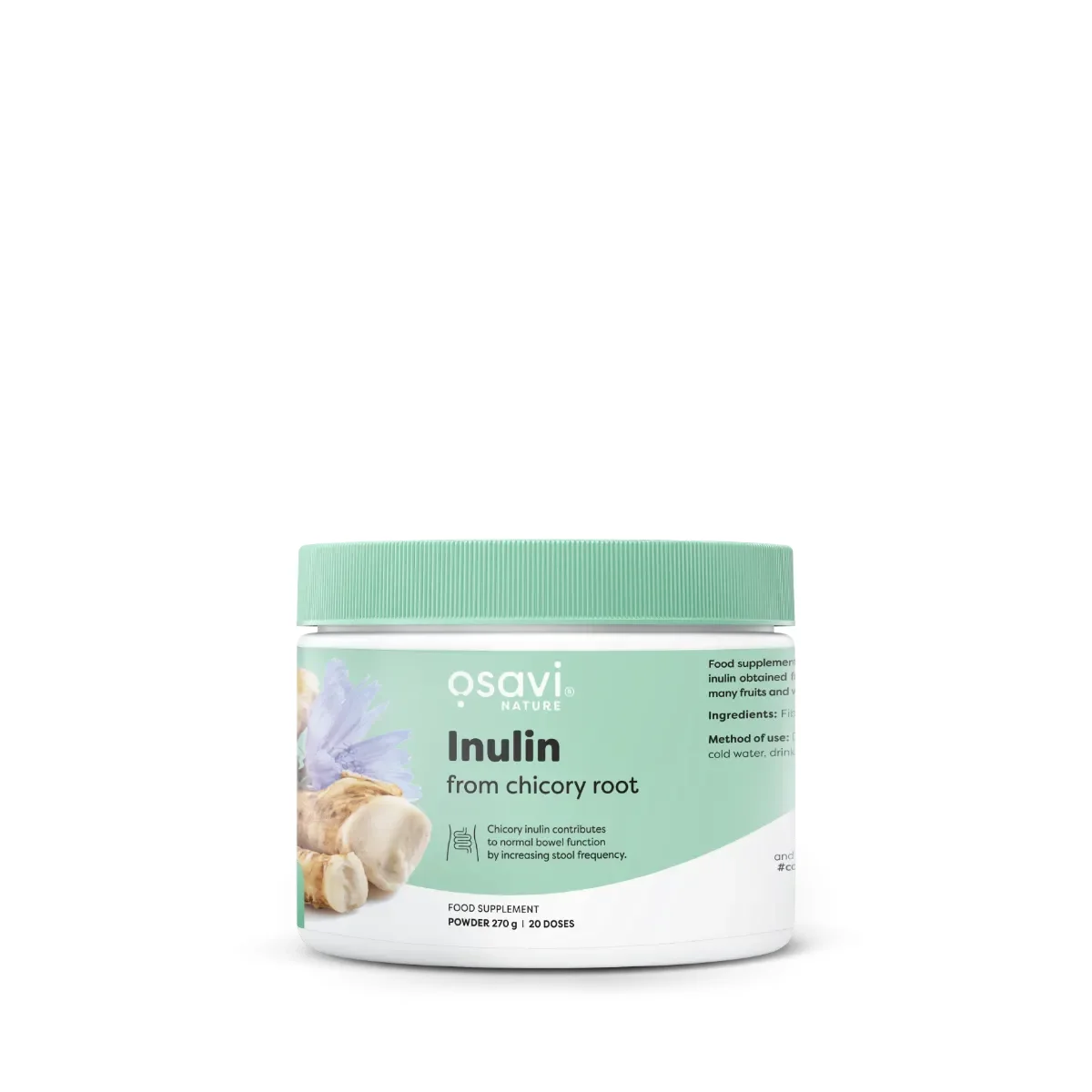
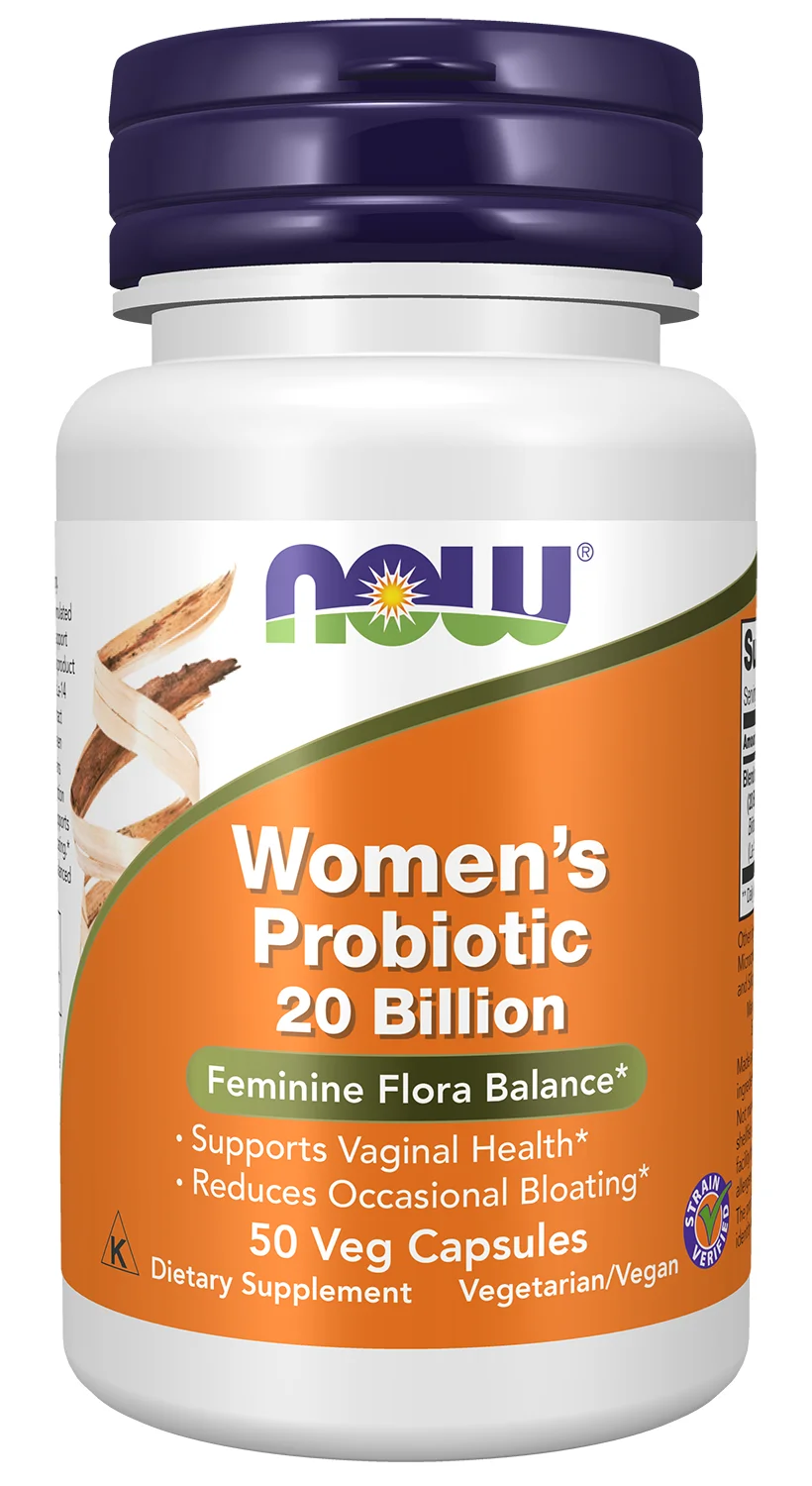
50 caps, best before Apr 2028
£19.29
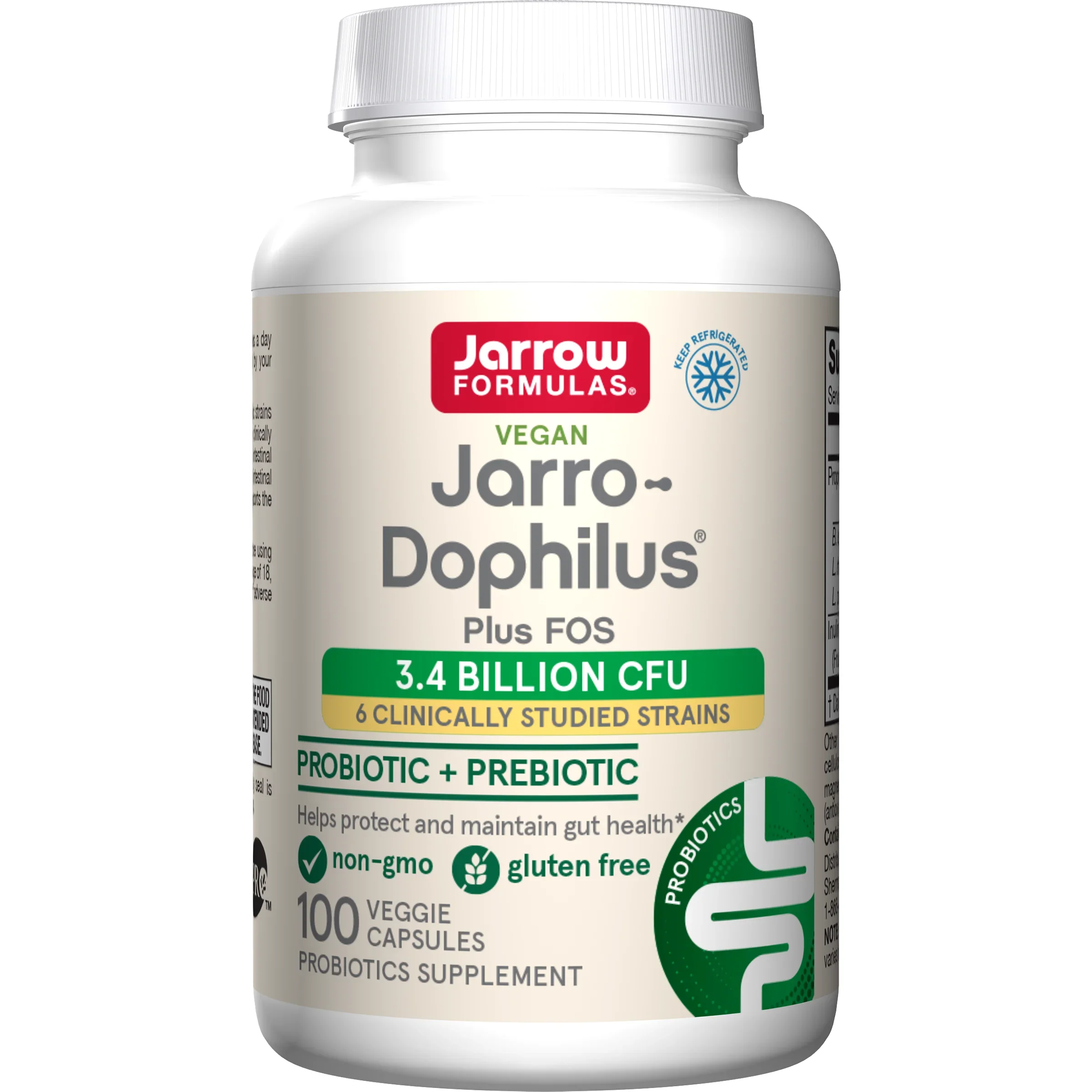

Gastro Comfort with PepZin GI 60 Veg. Caps
60 caps, best before May 2029
£15.12
The category is split into five groups so you can get to the right product quickly:
On a probiotic label you will see the number of colony-forming units (CFU), for example 5, 10 or 50 billion per serving. Just as important as the number is which strains are included and whether the maker guarantees the CFU until the end of the shelf life. Some products need refrigeration, others are stable at room temperature. Combined with prebiotics such as FOS or inulin, they are called synbiotics. Well-known lines include Garden of Life Dr. Formulated Probiotics and NOW Foods Probiotic-10. You can choose capsules, powders and gummies, as well as formulas made for women and children.
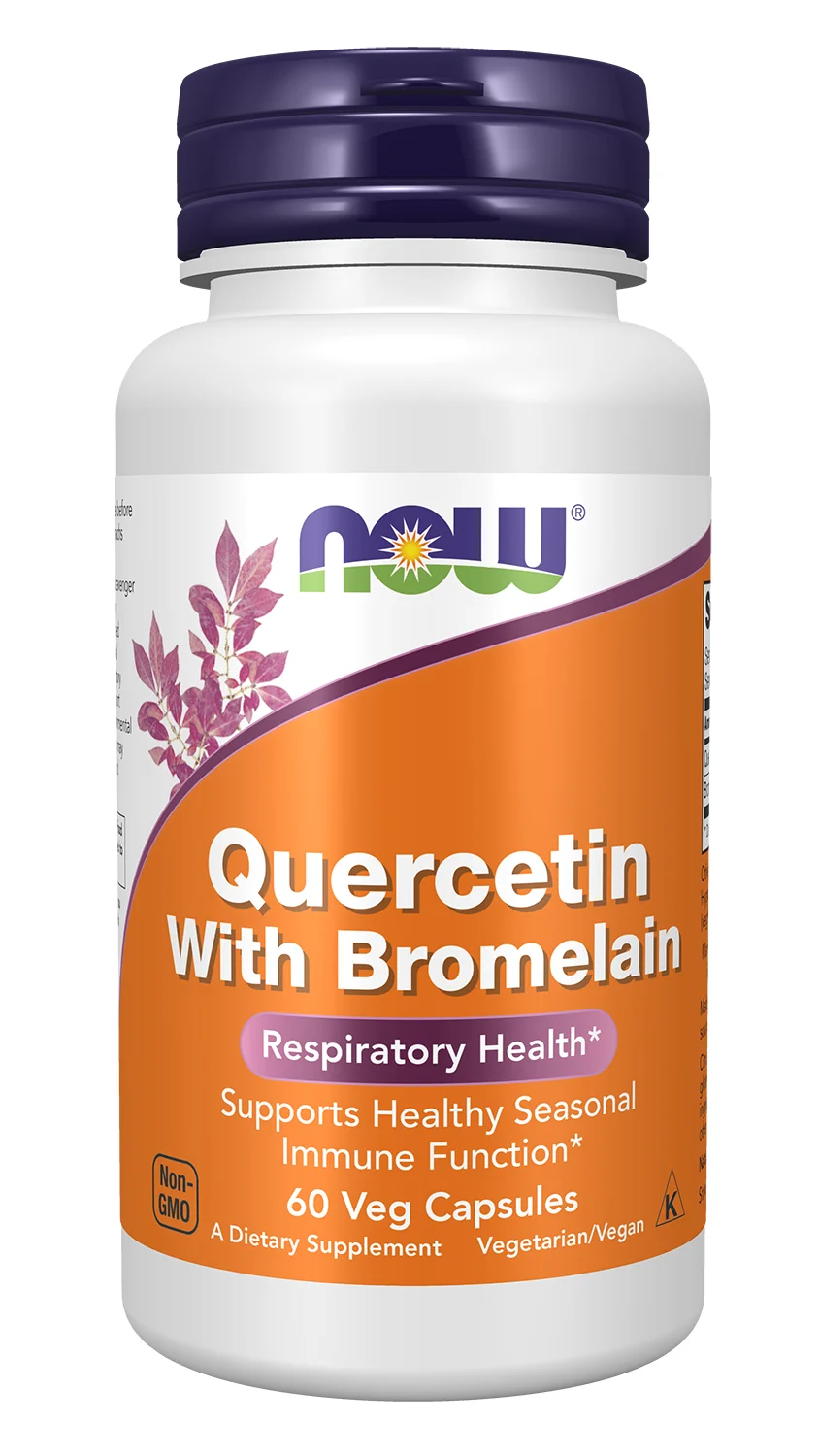
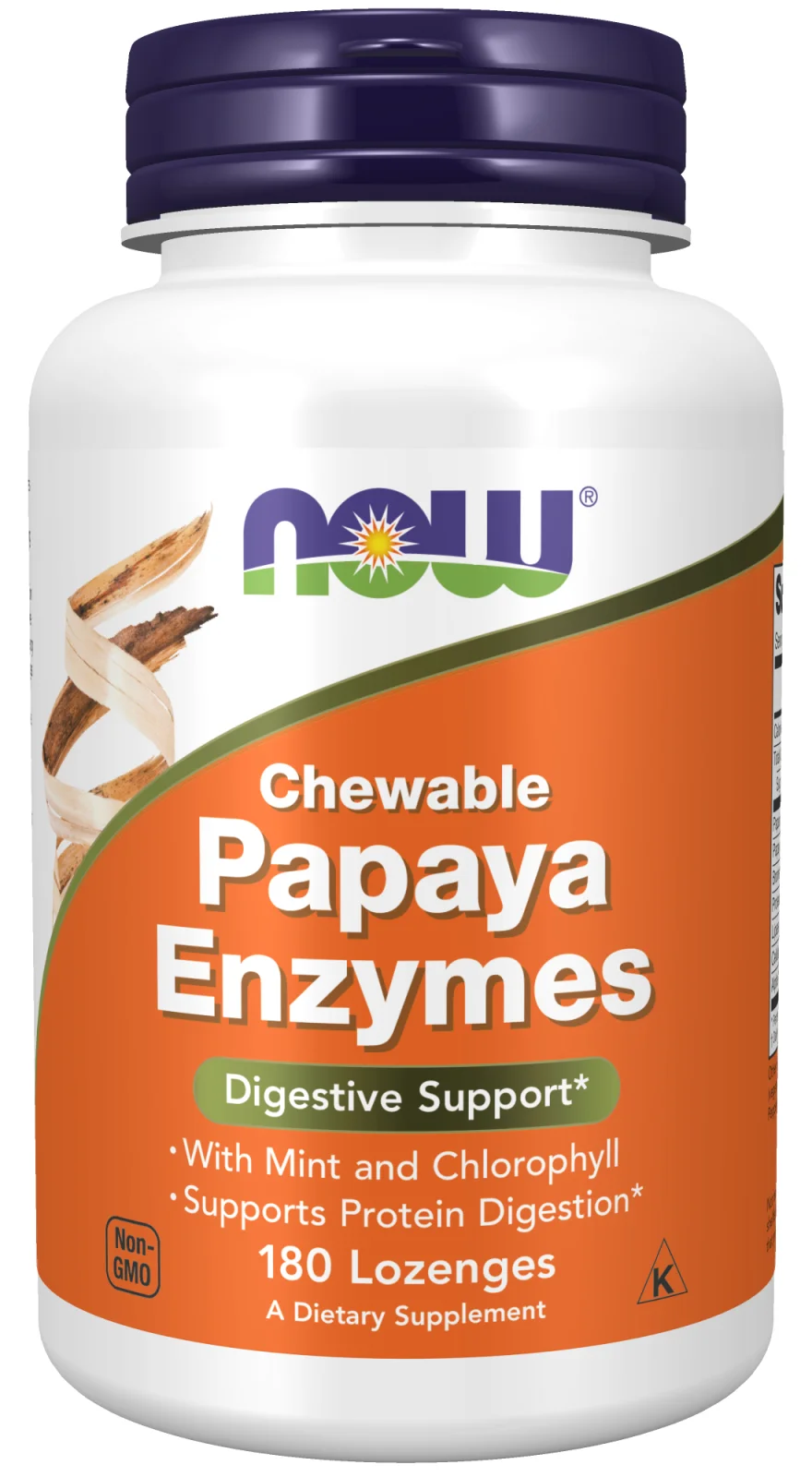
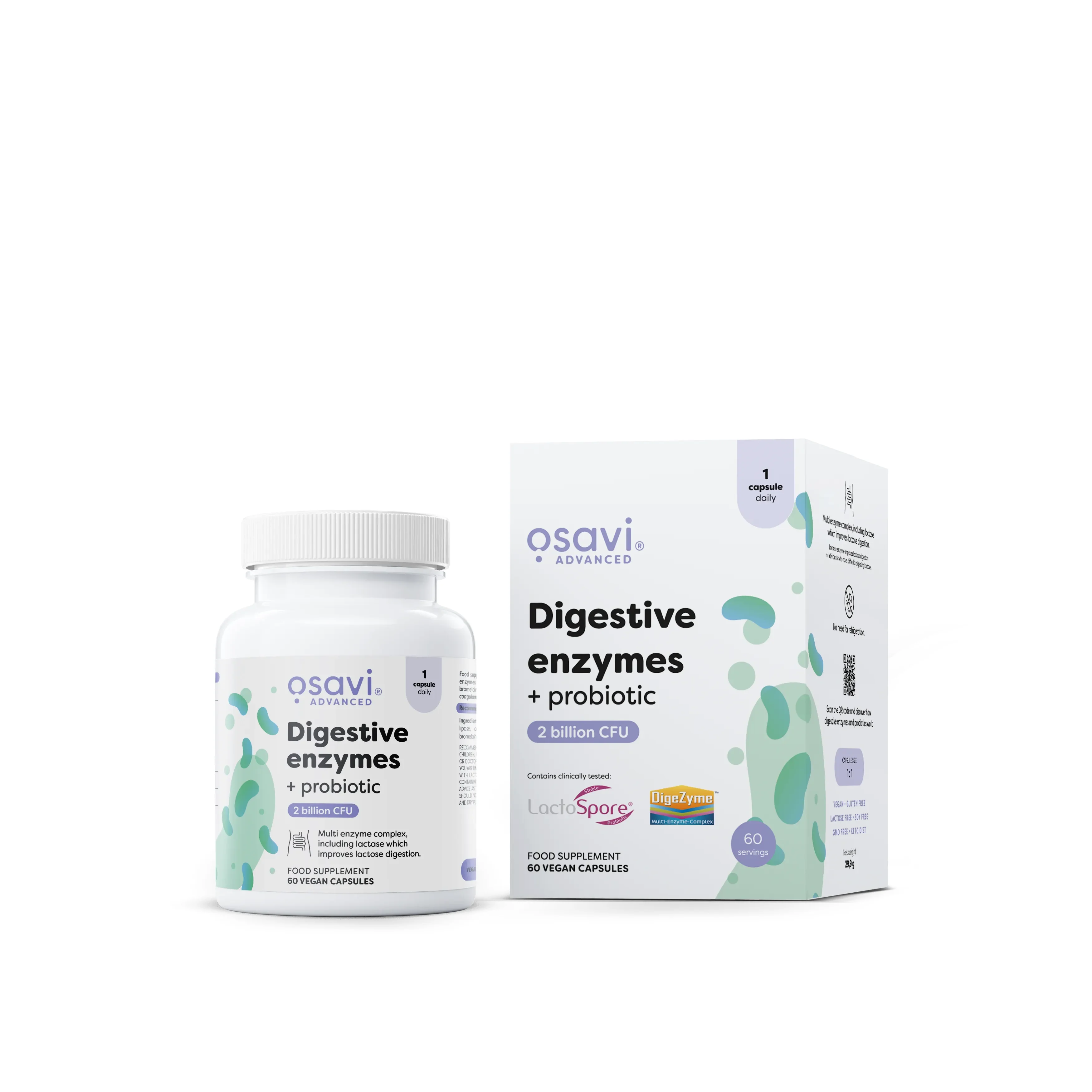
Digestive enzymes are usually taken with meals. Enzymedica, NOW Foods and Doctor's Best offer broad complexes as well as single enzymes such as bromelain. There is a matching authorised claim for calcium: calcium contributes to the normal function of digestive enzymes.
Fibre comes as an unflavoured powder to stir into drinks or as capsules. With psyllium husk and glucomannan, plenty of fluid matters – the exact amount is on the label.
Food supplements are not a substitute for a varied diet. If you take medicines or are pregnant, ask your doctor first.
CFU stands for colony-forming units and gives the number of viable bacteria per serving.
It depends on the product. The storage instructions are on the pack.
Probiotics contain bacterial cultures. Prebiotics such as inulin or FOS are types of fibre that are not digested in the small intestine.
Cookies on naturbody.co.uk
We use cookies to make the shop work properly and to measure how well it performs. Some cookies help us choose ads that are relevant to you. Privacy and cookie policy